The Importance of Forex Trading Regulations in a Global Market
The world of forex trading is vast and complex, with a daily trading volume surpassing $6 trillion. Amidst this overwhelming scale, forex trading regulations play a crucial role in maintaining integrity and protecting traders. For those interested in enhancing their trading experience, utilizing effective forex trading regulations Forex Trading Apps can provide valuable insights and […]
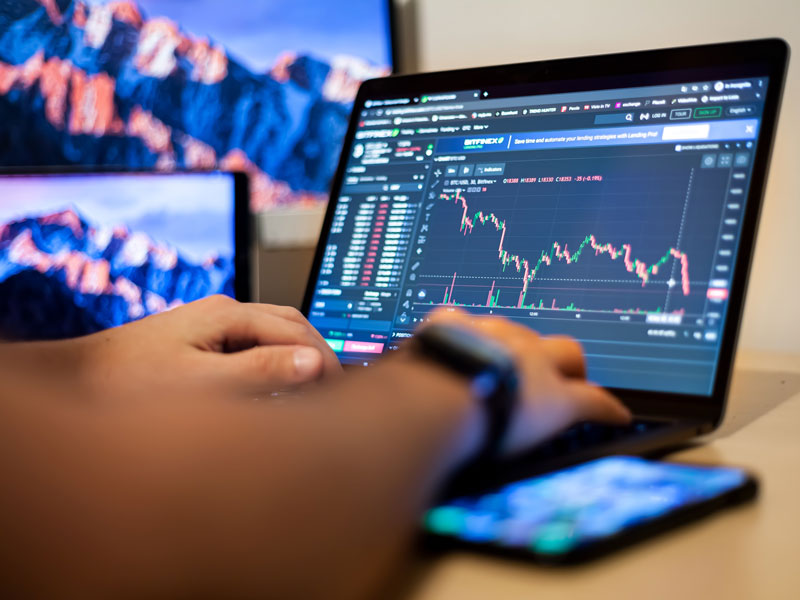
The world of forex trading is vast and complex, with a daily trading volume surpassing $6 trillion. Amidst this overwhelming scale, forex trading regulations play a crucial role in maintaining integrity and protecting traders. For those interested in enhancing their trading experience, utilizing effective forex trading regulations Forex Trading Apps can provide valuable insights and tools for successful trading. Understanding the regulatory landscape is essential for anyone venturing into this lucrative market.
Forex trading operates 24 hours a day, five days a week, across different global financial centers. Given the decentralized nature of the forex market, it lacks a singular governing body. Instead, regulations vary significantly from one region to another, affecting how brokers operate and safeguarding traders’ interests. In this article, we will explore the various aspects of forex trading regulations, their importance, and what traders need to consider to navigate this global market effectively.
What Are Forex Trading Regulations?
Forex trading regulations are laws and guidelines established by governments and financial authorities to ensure the security and fairness of trading. These regulations are designed to protect traders from fraud, ensure transparency, and promote fair competition among brokers. Key regulatory bodies around the world include:
- The Commodity Futures Trading Commission (CFTC) – United States
- The Financial Conduct Authority (FCA) – United Kingdom
- The Australian Securities and Investments Commission (ASIC) – Australia
- The Cyprus Securities and Exchange Commission (CySEC) – Cyprus
- The European Securities and Markets Authority (ESMA) – European Union
Importance of Forex Trading Regulations
The significance of forex trading regulations cannot be overstated. Here are several key reasons why they are essential:
1. Protection of Traders
Regulations safeguard traders from fraudulent practices and unethical broker behavior. Registered and regulated brokers must adhere to strict guidelines, which helps ensure that traders can trust their trading platforms. By verifying that a broker is regulated, traders can avoid falling victim to scams or unlicensed intermediaries.
2. Market Integrity
Regulatory frameworks help maintain market integrity by enforcing rules against market manipulation and other fraudulent activities. This integrity is essential for maintaining the confidence of both traders and investors. A well-regulated market attracts more participants, which in turn enhances liquidity and trading opportunities.
3. Transparent Operations
Regulations mandate that brokers provide clear and transparent information regarding their trading conditions, fees, and risk disclosures. Traders are better equipped to make informed decisions when they have access to accurate information. Transparency results in a more balanced trading environment, reducing the risk of surprises that could adversely affect a trader’s investment.
4. Access to Legal Recourse
When trading with a regulated broker, traders have access to legal recourse in the event of disputes or grievances. Regulatory bodies often have established procedures for handling complaints or conflicts, providing traders a pathway to seek resolution. This is particularly important in a global market where jurisdictional issues may arise.
Key Regulatory Aspects to Consider
When selecting a broker, traders should consider several key regulatory aspects:
1. Regulatory Status
Verify that the broker is licensed by a reputable regulatory authority. This information is typically available on the broker’s website. Ensure that the regulatory body is recognized and respected within the trading community. A regulated broker is more likely to operate fairly and transparently.
2. Compensation Schemes
Check if the regulatory authority has provisions for investor compensation in the event of broker insolvency. For instance, the Financial Services Compensation Scheme (FSCS) in the UK offers protection for traders if their broker fails. Knowing that funds are safeguarded provides peace of mind while trading.

3. Trading Conditions
Understand the trading conditions set out by brokers, including leverage, margin requirements, and spreads. Regulations can determine maximum leverage limits, which vary from one jurisdiction to another. It is essential to be aware of these limits to manage risk effectively.
4. Reporting Requirements
Regulated brokers are often required to submit regular reports to their regulatory authority. This ensures that they are compliant with financial laws and are operating within the stipulated rules. Traders can review these reports to glean insights into a broker’s reliability and operational practices.
The Evolution of Forex Trading Regulations
The landscape of forex trading regulations has evolved significantly in response to market developments and the need for enhanced protection. The 2008 financial crisis highlighted vulnerabilities within global markets, prompting regulatory bodies to impose stricter rules on brokers. This led to changes in how brokers operate and interact with their clients.
Recent regulatory changes have focused on minimizing risks associated with high leverage trading and requiring greater transparency in fee structures. The introduction of the Markets in Financial Instruments Directive II (MiFID II) within the EU is one such measure that aims to enhance investor protection and ensure fairer markets. As the forex market continues to evolve, traders can expect ongoing changes and improvements in regulatory frameworks.
Conclusion
Forex trading regulations are a critical aspect of the global trading environment. They provide essential protections for traders, ensure the integrity of the market, and promote transparency. As prospective traders navigate their options, understanding the regulatory landscape is crucial for making informed decisions. By choosing to trade with regulated brokers and staying informed about ongoing regulatory changes, traders can enhance their trading experience and mitigate their risks in the dynamic world of forex trading.
In summary, the interplay between forex trading regulations and trader protection cannot be overlooked. As the market continues to grow, so too will the importance of adhering to these regulations to ensure a fair, transparent, and secure trading environment.